Rogue Core Glass Cannon Artifact: Is the Damage Worth the Risk?
Glass Cannon is Rogue Core's highest-ceiling Artifact: more damage for less survivability. When the trade wins runs, when it gets you killed, and the drafting rules.
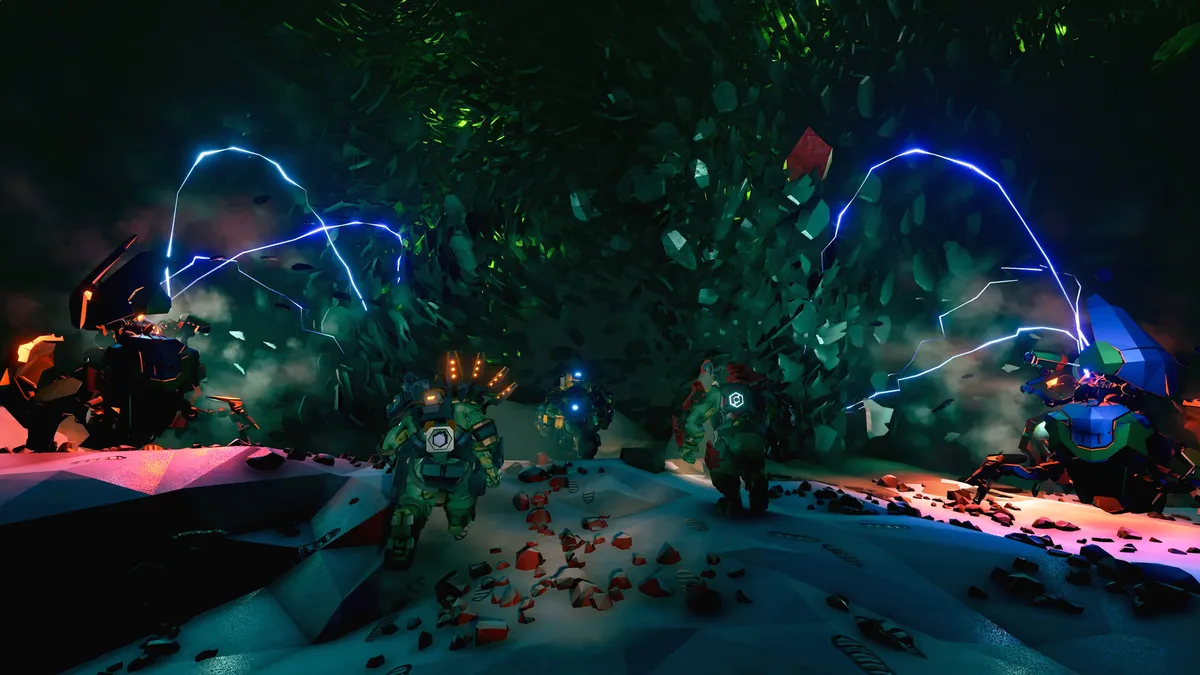
Combat Summary
The direct answer: Glass Cannon is the classic offense-for-survivability trade among Rogue Core’s Artifacts — you deal significantly more damage and take significantly more in return. It is the highest-ceiling Artifact in skilled hands because dead enemies deal no damage: in a roguelite where runs end in sudden burst-damage spikes, killing everything before it can touch you is a legitimate survival strategy. But it is also the fastest way to throw a good run, because the same spikes you are racing will end you if your positioning slips. Take Glass Cannon when your draft already multiplies damage and your team or class has sustain covered; skip it on solo runs, on Threat Levels 4-5, or when your build’s survivability is already thin.
What Glass Cannon Actually Is
Datamined: the name exists in Rogue Core’s active Artifact definitions; exact numbers are not publicly confirmed, so treat any specific percentages quoted on forums as guesses. Community-tested: its design space is unmistakable — every signal places it in the damage-for-health trade archetype, which is why our Glass Cannon and A-tier Artifact rankings put it in A tier. The general system is covered in our guide to how Artifacts work — this guide is about the decision.
Why the Trade Can Win Runs
Rogue Core’s runs end in burst damage spikes, not slow attrition. Community-tested logic: a large damage increase that shortens every fight also shortens your exposure to every mechanic that can kill you. Swarms die before they surround you. Bosses skip phases. The mission timer — and the Reaperworms waiting at the end of it — becomes a non-issue. This is why top Builds built around raw damage output rate Glass Cannon so highly: it multiplies what they already do instead of asking them to play a different game.
When It Gets You Killed
The trade has three hard counters. One: Threat Levels 4-5 wave stacking — enemy density scales past the point where “kill them first” is physically possible, and one stray hit ends the run. Two: solo play — no teammate to revive you or hold the line while you reposition; our solo survival guide is built on the opposite philosophy. Three: thin sustain drafts — if your upgrades so far are all damage with no healing, armor, or escape tools, Glass Cannon turns a risky build into a dead one. Add a fourth: an unfamiliar class — never take a survivability trade on a Reclaimer you are still learning.
The Drafting Rules
- Take it when damage is your win condition. Boss-killer drafts, wave-clear carries, any run where you are the team’s primary damage.
- Take it when sustain is covered elsewhere. Guardian frontline, team healing, or your own lifesteal and armor stack.
- Skip it when you are the sustain. Solo, or the only survivability in the squad.
- Skip it on Threat Levels 4-5 unless the whole squad commits to the speed strategy.
- Never take it tilted. Glass Cannon punishes sloppy play harder than any other Artifact — if the last two runs ended in mistakes, your judgment is the problem, not your damage.
For the other side of the Artifact coin, Nuclear Optics is the free-damage alternative: it asks nothing of your survivability. And the Update 2 changes are what made this whole Artifact economy possible.
Continue Reading
Don't deploy without all the intel. Check out this related file:
Rogue Core Frenzy Artifact: Tempo, Aggression and Drafting Rules →