Rogue Core Slicer Advanced Guide: TL4-5 Solo Execution Manual
Beyond the basics: the TL4-5 solo execution manual, draft order with a hard sustain pivot trigger, the three-clause Reckless pace contract, co-op second-core discipline, and the advanced mistakes that end runs.
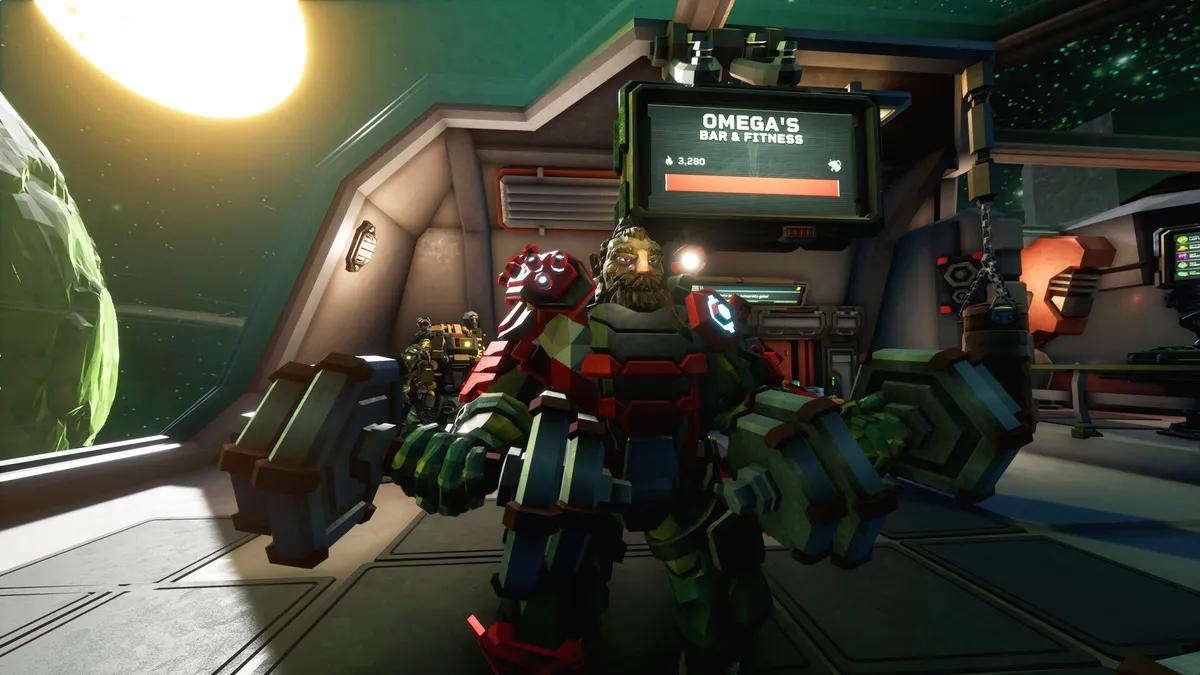
Combat Summary
The direct answer: an ordinary Slicer drafts damage, queues Reckless, and moves fast — and that carries runs through Threat Level 3. Advanced Slicer play is everything that happens after the damage-first instinct: a fixed draft order for your first two Expenite picks with a hard trigger for when to pivot into sustain, a three-clause commitment contract you sign before queueing Reckless, a wave-stack execution plan for Threat Levels 4–5, and — in Co-op — the discipline to be the squad’s second damage core instead of its hero. The rankings that frame the whole advanced game: solo, Slicer outranks Guardian, Retcon, Spotter, and Falconer in that order; in co-op the order flips and Slicer sits fourth behind Falconer, Spotter, and Guardian (gamebrief.net, July 2026, Update 2 meta). If you have not read it, our basic Slicer guide covers builds and solo tactics — this guide is the execution layer on top of it.
Rule Zero: TL4–5 Is an Execution Problem, Not a Build Problem
Official: on Threat Levels 4–5, stage waves stack instead of arriving in sequence (wave stacking, Update 2). Community tested: the Slicer’s solo comfort zone covers Threat Levels 1–4, and Threat Level 5 only works when your Expenite economy runs ahead of the curve. That framing is the entire advanced game. Ordinary players treat TL4–5 as a gear check — draft harder, push the same plan, hope the stack dies first. Advanced players treat it as an execution check: the waves will arrive stacked whether your build is ready or not, and the run is decided before the first stacked wave spawns. There are only two survival doctrines against stacked waves — the Guardian outlasts them, the Slicer deletes them. Advanced Slicer play commits fully to the deletion doctrine, which means three things must be settled in advance: your draft order, your pace contract, and your single-target answer. If any one of the three is missing, queue Threat Level 4, not 5. Our Threat Level 4–5 survival guide is the mandatory prerequisite; everything below assumes you have read it.
Draft Order: The First Two Picks and the Pivot Trigger
The upgrade draft is where advanced Slicers separate from the pack. Community tested rules:
- Picks one and two are damage, full stop. The first two Expenite picks should each meaningfully raise your damage output — not one damage and one safe pick, not a utility hedge. Enhancement pools are per-player with no shared deck, so a solo Slicer’s draft is never diluted and every early pick compounds into personal lethality. Dead enemies deal no damage, and Slicer is the class best equipped to prove it.
- Since Update 1’s negotiation rework, take the best damage the cave offers. Every draft shares the same rarity pool, so stop forcing a fixed build and take the strongest damage option on the table each time. Our upgrade drafting guide covers the draft rules themselves.
- The pivot trigger: draft sustain the moment fights stop ending early. The advanced tell is simple — if enemies survive long enough to hit you back, your damage phase is over and your sustain phase has begun. Draft sustain (health, recovery, mitigation) in proportion to how deep you push; greed-drafting pure DPS past this point is the most common Slicer death in the community’s logs.
- On TL5, activate upgrades the moment you can afford them. Official: since Update 1’s R.E.P.D. rework, any Reclaimer can activate an upgrade once there is enough Expenite, and all players receive the upgrade simultaneously regardless of location. The advanced corollary for Threat Level 5: hoarded Expenite is a silent run-killer, because stacked waves do not wait for you to spend. Economy “ahead of the curve” is not a number — it is the habit of converting Expenite into power before the next stack arrives.
Reckless Pace Is a Commitment, Not a Tempo
Official: Rogue Core offers three paces — Cautious, Standard, Reckless. Community tested: Standard teaches the class honestly, and Reckless is where Slicer earns its S-tier — the class’s self-sufficiency turns time pressure into free efficiency, because you were already playing fast. The advanced move is to stop treating pace as a mood and start treating it as a contract with three clauses:
- Your first two damage picks are online.
- At least one sustain answer is in the draft plan.
- Threat Level 4 or below — or Threat Level 5 with your Expenite economy ahead of the curve.
Sign all three clauses and queue Reckless with confidence. Missing any one, drop to Standard: you lose the pace bonus, but you keep the run. And remember that Reckless without sustain is just a faster way to die — speed converts to efficiency only when your recovery can match your risk. Our Assault Pace guide breaks down what each pace changes mechanically.
Carry a Single-Target Answer: The Gatekeeper Lesson
Official: the Update 1.2 Gatekeeper counterattack rework punishes builds that can only delete trash mobs. Community tested: bosses and Voidkin Dominators punish pure clear-speed builds on every Threat Level, and TL4–5 stacks mix tanky singles into exactly the waves you are trying to delete. The advanced discipline is permanent: keep one reliable single-target tool in the loadout at all times. The moment your draft is 90 percent wave-clear, you have drafted yourself into the Gatekeeper’s hands — one counterattack window is all it takes to end the run. This is the mistake that survives the pivot trigger above, because a player can sequence damage-then-sustain perfectly and still have no answer for the one enemy that refuses to die quickly. Review your draft after every pick and ask one question: if a Dominator walks out of the next stack, what do I kill it with?
Co-op: Play the Second Core
In a squad, Slicer drops to B-tier — still good, no longer special. The advanced co-op Slicer stops mourning that and plays the role the ranking implies: the second damage core. Clear the far angle, delete the priority targets the Falconer marks, and never need peel. Your self-sufficiency is the contribution — every rescue, revive, or reposition you do not need is tempo the squad keeps. Three discipline points:
- Do not contest the Guardian’s frontline. The front belongs to the Guardian; your angle is the flank and the far pocket. Two Reclaimers fighting for the same space halve both of their output, and the team loses the coverage it brought you for.
- Kill what the Falconer marks. The co-op ranking (Falconer > Spotter > Guardian > Slicer > Retcon, gamebrief.net, July 2026) puts Falconer first because it multiplies the team — when it marks a priority target, deleting it fast is how you convert its utility into damage. Our team comps guide rates the full squad matrices.
- Do not play at solo tempo. Pace is a team decision, and the fastest class in the game arriving a minute ahead of the squad is not aggression — it is an invitation to get surrounded while your teammates are somewhere else. The full rankings live in our class tier list.
One more co-op truth from the basic guide that advanced players internalize: the co-op Slicer enables a good team rather than rescuing a bad one. If the squad is falling apart, your job is not to solo-carry the run — it is to stay in your slot, keep deleting, and stop the bleeding from becoming a wipe.
Advanced Mistakes
- Greed-drafting pure DPS past the pivot point. Two damage picks is the rule; everything after that without a sustain check is gambling.
- Signing the Reckless contract without sustain in hand. Speed without recovery is a faster death, not a faster clear.
- Contesting the Guardian’s frontline in co-op. You are the second core. The front is not yours.
- Playing co-op at solo tempo. If the squad is not with you, you are not flanking — you are alone.
- Drafting with no single-target answer. The Gatekeeper rework ended the pure-clear era. One boss is all it takes.
- Drafting like a support in co-op. The Falconer’s drafting discipline is to pass big damage upgrades to you, its carry — take them and be the damage core the squad needs, not a second utility player.
What We Know vs. What Players Report
- Official: five Reclaimers at launch with no new classes confirmed; the R.E.P.D. and negotiation reworks (Update 1); Threat Levels 1–5 with wave stacking (Update 2); the Gatekeeper counterattack rework (Update 1.2); Update 3 targeted late October / early November 2026.
- Community tested: the solo and co-op tier orderings (gamebrief.net, July 2026); the Slicer’s Threat Level 1–4 solo comfort zone and the TL5 economy requirement; greed-drafting pure DPS as the most common Slicer death; Reckless as the pace where Slicer earns S-tier.
- Speculation: Ghost Ship is testing enemies dropping Expenite on the experimental branch — if it ships in Update 3, the Slicer’s farming pace gets faster still. Treat it as speculation until patch notes land.
Continue Reading
Don't deploy without all the intel. Check out this related file:
Rogue Core Retcon Advanced Guide: The Price of Playing Alone →