Rogue Core Team Strategy: Mission Control Directives
Mastering Rogue Core Team Strategy means adhering to Mission Control's core directives: maximize collective strength and relentlessly pursue objectives. Neglecting these tenets leads to deep space dereliction.
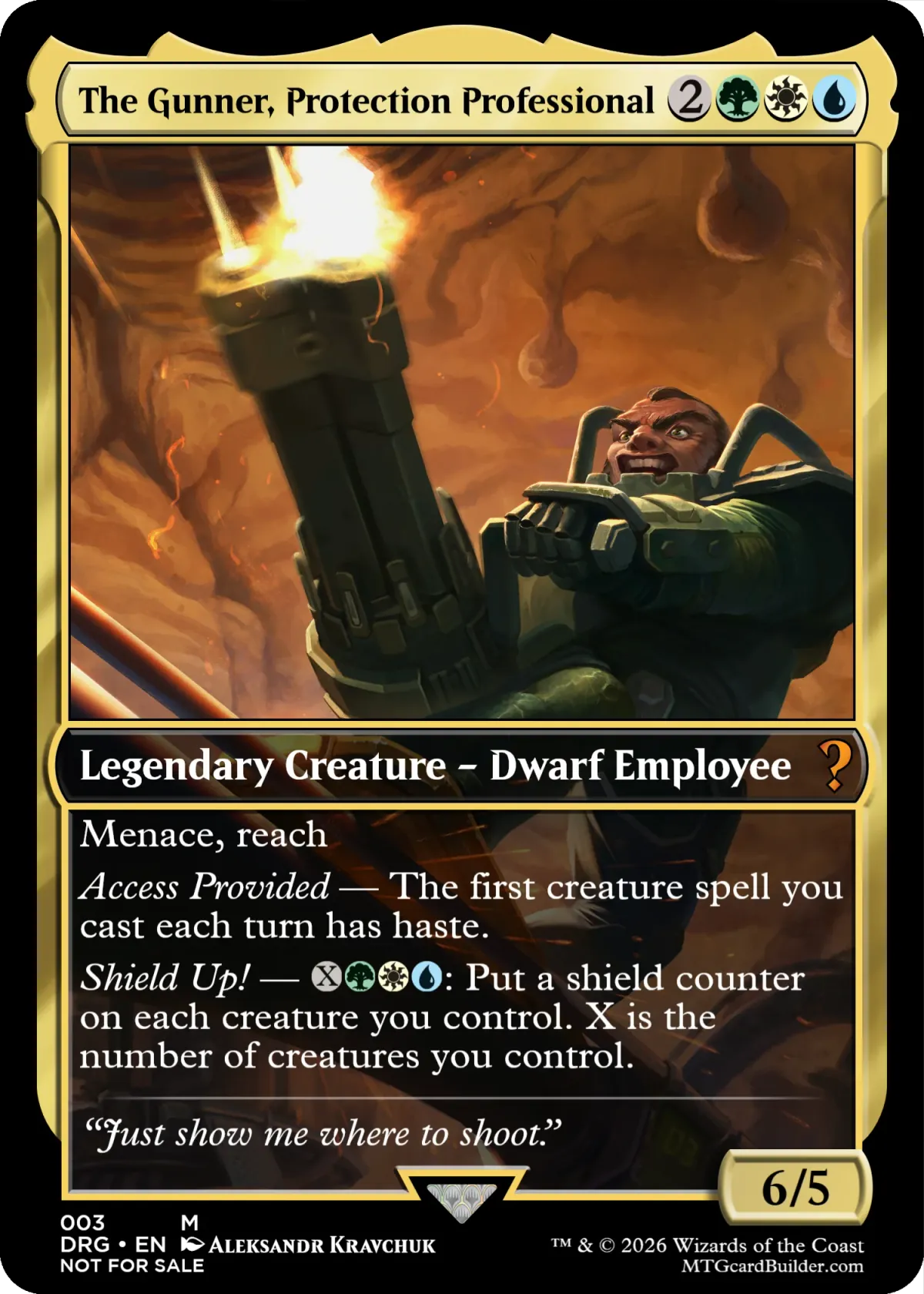
Combat Summary
- Prioritize teamwork to amplify collective Dwarf potential, an explicit directive from Mission Control.
- Maintain relentless focus on objectives, ensuring no Miner idles or strays from the primary task in Rogue Core.
- Embrace pressure; Mission Control demands efficiency and unwavering commitment to the mission.
Management’s presence is constant, even within the uncharted depths of Rogue Core derelicts. While their voice might be a distant echo, their core philosophy for survival and extraction is ingrained: maximum efficiency and absolute focus. Understanding these foundational Mission Control directives is paramount for any successful Team Strategy. Forget the fancy overclocks for a moment; success starts with the mindset.
Mission Control’s Core Directives
Based on our analysis of simulated scenarios, two primary directives define Mission Control’s expectations for any Miner in the field:
-
“Rock and Stone!”: Maximize Collective Power. This isn’t just a rallying cry; it’s a strategic imperative. Every Dwarf functions better when operating as a cohesive unit. Synergy isn’t a bonus, it’s a requirement. Your individual strength is amplified by the presence and coordinated efforts of your comrades. Focus on builds and tactics that bolster the entire team, making every dwarf a force multiplier. This is the foundation of any sound Team Strategy.
-
“GET BACK TO WORK!”: Relentless Objective Pursuit. Idleness is unacceptable. Distractions are liabilities. Mission Control expects continuous progress on primary objectives, even under duress. If a Miner falters or attempts to stray, the mission itself will exert pressure, forcing a return to task. This translates to an aggressive, forward-moving Team Strategy where delays are minimized, and every action contributes to mission completion.
Maximizing Team Synergy
For effective teamwork in Rogue Core, consider these points:
- Stay Together: The principle of all Dwarf creatures receiving a ‘buff’ means proximity grants passive benefits. Split pushing rarely works out in the long run against the horde.
- Cover All Roles: Ensure your team composition covers essential needs: crowd control, single-target damage, area denial, and mobility.
- Communicate: Ping threats, mark resources, and call out intentions. A silent team is a dead team.
- Revive Priority: Nothing stalls an operation faster than a downed teammate. Prioritize getting your brethren back on their feet.
Relentless Objective Focus
The directive to ‘deal damage and force to attack’ emphasizes the cost of dawdling.
- Know Your Objectives: Before dropping, understand the primary and secondary goals. Don’t waste time on irrelevant side quests unless absolutely necessary for resources.
- Efficient Movement: Always be moving towards the next objective marker. Linger only to clear immediate threats or gather critical resources like Nitra.
- Manage Resources Strategically: Don’t get sidetracked by small gold veins if a critical objective is pending. Nitra is king; everything else is secondary in a tight spot.
- Push Through Resistance: Mission Control doesn’t care about a few Glyphids blocking your path. Clear them and advance. The mission clock is always ticking.
Miner’s Chatter
The community often debates the finer points of Dwarf roles and how they align with tactical archetypes. Discussions around class identity, like whether a Driller truly embodies a ‘white’ (protective/healing) or ‘black’ (destructive/self-sacrificing) philosophy, highlight a deeper understanding of our tactical capabilities. While we don’t assign abstract colors to our classes, this ongoing debate reflects a constant search for optimal Team Strategy and effective utilization of each Miner’s unique skill set in the field.
📸 Field Visuals


Continue Reading
Don't deploy without all the intel. Check out this related file:
Rogue Core: Assessing Readiness for the Next Deployment →