Hoxxes IV Unique Threats: Why Other Factions Struggle
Hoxxes IV poses unique, extreme environmental threats that overwhelm even elite forces like Helldivers. Our gear and training are specifically designed for these unparalleled dangers.
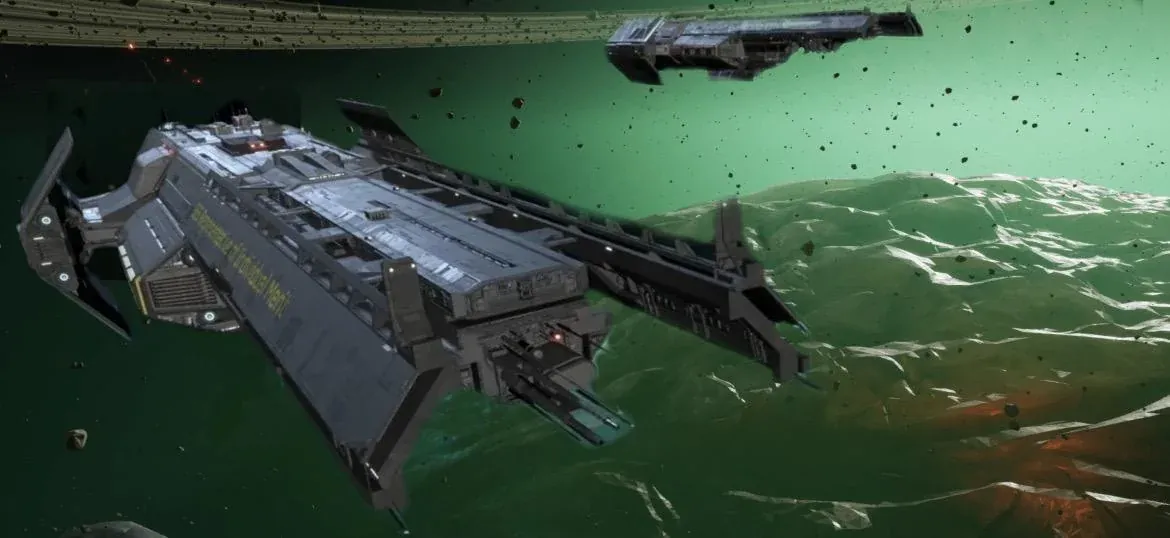
Combat Summary
- Hoxxes IV’s surface is a radioactive death trap, far beyond typical planetary threats, requiring specialized environmental resistance.
- Deep Rock Galactic’s operations focus on subterranean mining, leveraging drill technology and shielded Drop Pods to bypass lethal surface Environmental Hazards.
- Even highly trained military forces like the Helldivers would struggle with the sustained, specialized Survival Tactics needed for long-term operations on Hoxxes IV.
Management keeps quiet about the true nature of Hoxxes IV’s surface for good reason. It’s not just big bugs and corrosive pools; it’s an active death world where even basic planetary conditions are lethal. The recent chatter about how other military forces might fare here, specifically the Helldivers, serves as a grim reminder of just how uniquely hostile this planet is and why Deep Rock Galactic Lore often emphasizes our unparalleled resilience.
The Unyielding Environment of Hoxxes IV
Forget surface combat. Hoxxes IV’s outer crust is bathed in such intense radiation and geological instability that any prolonged exposure means a swift, painful end. This isn’t just ‘spooky weather’; it’s a planetary defense mechanism. Traditional orbital drops and surface-based support systems are largely ineffective or outright suicidal. This fundamental reality dictates all our mission parameters and gear choices. We go under because staying on means death.
Why DRG Miners Endure Where Others Fail
Our survival isn’t just about big guns; it’s about specialized adaptation. DRG’s entire infrastructure is built around subterranean access, using heavily shielded drill pods for deployment and extraction. Our personal suits, while tough, are designed for the cave environment, not prolonged surface exposure. Any force relying on conventional surface logistics or ground troop deployment would be annihilated before they even encountered a Glyphid. This makes our Survival Tactics unique in the galaxy.
Furthermore, the persistent, evolving threats we face daily within the caves – from Mactera swarms to explosive Praetorians – demand a specific kind of combat and engineering expertise. Other factions might excel at conventional warfare, but Hoxxes IV requires a deep understanding of its unique Environmental Hazards and the specific biological threats that infest it. This is the difference between an elite soldier and a seasoned miner.
Implications for Rogue Core Operations
The lessons learned from centuries of operations on Hoxxes IV are directly transferable to future endeavors like the Rogue Core initiative. The fundamental dangers, the need for robust subterranean logistics, and the specific adaptations required for combat in extreme environments remain constant. Our ability to process and extract resources under these conditions is a testament to the effectiveness of Deep Rock Galactic’s methods, proving our advantage over any conventional military force.
Miner’s Chatter
When this topic comes up, the consensus among Miners is clear: other forces simply aren’t equipped for Hoxxes. While Helldivers are tough, their reliance on open-air stratagems and standard planetary invasion protocols would be useless against the planet’s atmospheric and geological hazards. Miners often point out that our daily grind, the constant exposure to deadly cave systems, and the absolute necessity of our specialized equipment (like our drills and our ability to call for M.U.L.E.s in tight spots) far exceed the generalist combat training of other groups. It’s a point of pride: only a Deep Rock Galactic Miner can truly thrive – or at least survive – on this rock.
Continue Reading
Don't deploy without all the intel. Check out this related file:
Rogue Core: Assessing Readiness for the Next Deployment →