Deep Rock Galactic: Rogue Core and TV Tropes: An Early Analysis
Discover how Deep Rock Galactic: Rogue Core's roguelite gameplay, sci-fi dwarves, and alien threats align with popular TV Tropes. An early look at potential narrative and gameplay patterns.
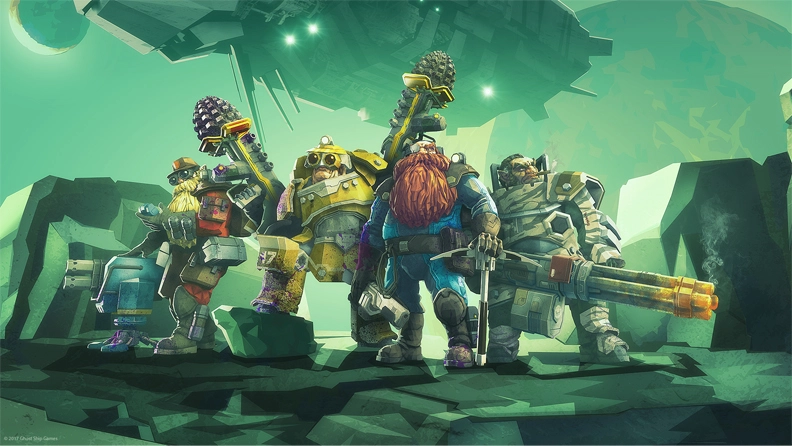
When a new game like Deep Rock Galactic: Rogue Core emerges, players often look to familiar patterns and storytelling devices to understand its place in the broader gaming landscape. This is where the concept of TV Tropes becomes incredibly useful. TV Tropes is a wiki that catalogs recurring narrative devices, literary techniques, and stylistic conventions across various forms of media, including video games. For players interested in Deep Rock Galactic: Rogue Core, exploring its potential tropes offers a fascinating lens through which to analyze its design and anticipate its unique contributions to the roguelite genre.
Deep Rock Galactic: Rogue Core was released on May 20, 2026, as an Early Access title. Given its fresh deployment, the community is still actively engaging with its mechanics and narrative, meaning that many of its specific, community-identified tropes are just beginning to take shape. However, based on its core description, we can already identify several foundational elements that strongly suggest certain common tropes will be at play.
Deep Rock Galactic: Rogue Core at a Glance
To understand the potential tropes, let’s first revisit the official description of Deep Rock Galactic: Rogue Core. It is described as a “1-4 player co-op FPS action roguelite featuring sci-fi dwarves, alien horrors and procedurally-generated caves.” Players take on the role of elite dwarven “Reclaimers” tasked with fighting through “perilous mining facilities infested with deadly Corespawn.” The tagline “For Rock and Stone!” further cements its connection to the beloved Deep Rock Galactic universe, hinting at familiar themes of dwarven camaraderie and combat prowess.
This concise summary provides a rich foundation for anticipating the kinds of tropes that might appear. The combination of genre (co-op FPS action roguelite), setting (sci-fi dwarves, alien horrors, mining facilities, caves), and player role (elite Reclaimers) all point to established narrative and gameplay patterns common across media.
The World of TV Tropes and Gaming
TV Tropes isn’t just about television; it’s a comprehensive database of recurring story elements that appear in movies, books, comics, and, significantly, video games. These tropes can range from character archetypes (like The Hero or The Mentor) to plot devices (such as The Reveal or A MacGuffin) and even gameplay mechanics (like Procedural Generation or Death Is Not the End). For video games, tropes often manifest in how levels are designed, how stories unfold, how characters interact, and even the fundamental rules of the game world.
Identifying tropes in a game like Deep Rock Galactic: Rogue Core helps players articulate what makes the game feel familiar yet fresh. It allows for deeper discussions about game design choices, narrative influences, and the overall player experience. While the official information provided does not confirm any specific, pre-defined tropes within the game’s narrative or design, the game’s foundational elements strongly suggest alignment with several well-known patterns.
Analyzing Rogue Core’s Potential Tropes
Based on the official description, several categories of tropes are highly likely to be present or emerge as the game’s identity solidifies within the community.
The Roguelite Core: Cycles of Challenge and Growth
The most prominent aspect of Deep Rock Galactic: Rogue Core, as indicated by its genre, is its “action roguelite” nature. This genre inherently relies on several well-established gameplay tropes:
- Death Is Not the End: In roguelites, player character death typically doesn’t mean a complete reset of all progress. Instead, it usually leads to a return to a hub area where players can spend accumulated resources on permanent upgrades or unlock new options for subsequent runs. While each “run” through the perilous facilities will present new challenges, the overall progression of the Reclaimers as a unit, or the player’s personal skill and unlocked abilities, will persist. This trope ensures that even failure contributes to long-term success, encouraging players to dive back into the action.
- Procedural Generation: The mention of “procedurally-generated caves” is a direct indicator of this trope. This means that each expedition into the mining facilities will feature a unique layout, enemy placements, and resource distribution. This trope is crucial for roguelites, as it enhances replayability and ensures that no two runs are exactly alike, constantly challenging players to adapt to new environments and unexpected obstacles.
- Power-Up: During individual runs, players are expected to find temporary upgrades, weapons, or abilities that enhance their capabilities for that specific attempt. These in-run power-ups are distinct from permanent progression and are a hallmark of the roguelite experience, allowing for varied playstyles and strategic choices within a single expedition.
The Dwarven Sci-Fi Setting: Culture Meets Cosmos
The “sci-fi dwarves” element immediately calls to mind a specific and beloved trope, especially for fans of the Deep Rock Galactic universe:
- Space Dwarves: This trope combines the classic fantasy archetype of stout, bearded, mining-obsessed dwarves with a futuristic, space-faring setting. Instead of fantasy mines, they delve into alien planets and asteroid fields. Deep Rock Galactic: Rogue Core doubles down on this, placing the “elite dwarven Reclaimers” in “perilous mining facilities” infested with “alien horrors.” Their culture, tools, and even their exclamations (“For Rock and Stone!”) are steeped in this fusion, creating a distinct and appealing identity.
- Mining Is Hard: While seemingly straightforward, the act of mining in this context is far from mundane. The description emphasizes “perilous mining facilities infested with deadly Corespawn.” This elevates mining from a simple resource-gathering activity to a dangerous, combat-intensive endeavor, fitting the trope where a seemingly simple task is made incredibly difficult or deadly by the environment or antagonists.
- Badass Crew: As “elite dwarven Reclaimers,” the player characters are explicitly presented as a highly capable and formidable team. This aligns with the Badass Crew trope, where a group of protagonists, often with specialized skills, are exceptionally effective at their dangerous profession. The 1-4 player co-op aspect reinforces the idea of a synergistic team working together against overwhelming odds.
Alien Threats and Environments: The Perils Below
The adversaries and environments described also suggest several common tropes related to sci-fi horror and exploration:
- Swarm of the Senses: The “deadly Corespawn” infesting the facilities strongly suggests an enemy type that relies on overwhelming numbers and possibly sensory overload. This trope often features enemies that attack in large groups, creating chaotic and intense combat encounters that test players’ crowd control and tactical awareness. The “infested” nature implies a pervasive threat rather than isolated encounters.
- Underground World: “Procedurally-generated caves” and “mining facilities” inherently mean that much of the game takes place deep underground. This trope often involves claustrophobic environments, hidden dangers, and a sense of isolation or being cut off from the surface world. The darkness and winding passages can contribute to tension and the feeling of being hunted.
- Alien Horrors: The presence of “alien horrors” is a direct application of this trope. These are creatures designed to be terrifying, grotesque, or simply inimical to human (or dwarven) life. Their design and behavior are often meant to evoke fear, disgust, or a sense of existential threat, making them more than just cannon fodder.
Co-op Dynamics: Strength in Numbers
The 1-4 player co-op nature of the game is itself a source of gameplay and social tropes:
- The Squad: With up to four players, the game naturally forms a “squad” dynamic. This trope highlights the importance of teamwork, specialized roles (though not explicitly stated in the facts, it’s common in co-op FPS games), and mutual reliance. The success of the mission often hinges on the cohesion and communication within the group.
- Teamwork Fights Everything: In a co-op FPS, the combined efforts and abilities of the team are essential to overcome challenges that would be insurmountable for a single player. This trope emphasizes that even the most formidable threats can be defeated through coordinated action, shared resources, and strategic support among teammates.
Early Access and Evolving Tropes
It’s crucial to remember that Deep Rock Galactic: Rogue Core was released on May 20, 2026, and is currently in Early Access. This means the game is still under active development, and its features, lore, and player experience may evolve significantly over time. While the foundational elements strongly suggest the presence of the tropes discussed above, their specific manifestations, nuances, and how the community ultimately identifies and names them will develop as more players engage with the game.
The official information provided does not confirm any specific, pre-defined tropes within the game’s narrative or design beyond what’s implied by its genre and setting. The community’s collective experience and discussions will be vital in fleshing out the game’s unique take on these established patterns.
Contributing to the Trope Discussion
As Deep Rock Galactic: Rogue Core continues to grow and evolve, players are encouraged to actively engage with the community and platforms like TV Tropes. By playing the game, discussing experiences, and identifying recurring patterns in gameplay, narrative, and character interactions, players can contribute to the documentation and understanding of the unique tropes that Rogue Core will undoubtedly foster.
Conclusion
Deep Rock Galactic: Rogue Core, with its action roguelite gameplay, sci-fi dwarves, and perilous alien-infested environments, is ripe with potential for fascinating TV Tropes. From the persistent progression of Death Is Not the End to the cultural identity of Space Dwarves, the game’s core design elements align with many beloved and well-understood patterns in media. As an Early Access title released on May 20, 2026, the game’s full suite of tropes will become clearer as the community dives deeper into its procedurally-generated caves and battles the deadly Corespawn. For the most current and official information on Deep Rock Galactic: Rogue Core, always refer to its official Steam store page or Ghost Ship Games’ official channels. Rock and Stone!
Continue Reading
Don't deploy without all the intel. Check out this related file:
Deep Rock Galactic: Rogue Core – Your Guide to Current Status and Official Updates →