Unpacking the Rogue Core Aesthetic: Visuals, Themes, and Atmosphere
Dive into the unique aesthetic of Deep Rock Galactic: Rogue Core. Explore its blend of industrial dwarven sci-fi, alien horrors, and perilous mining environments.
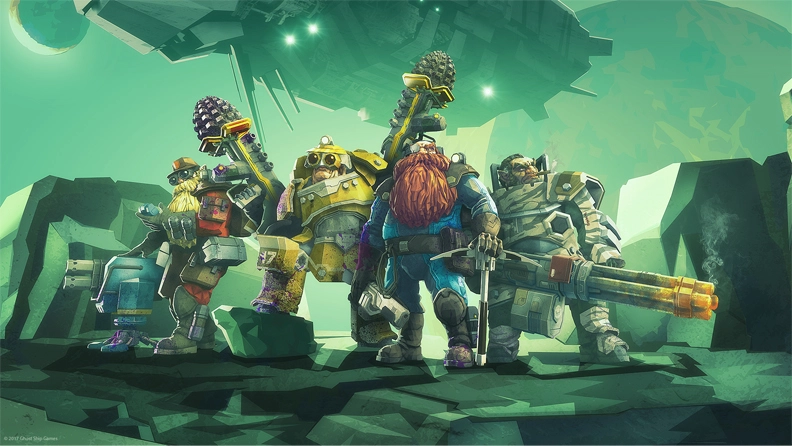
Deep Rock Galactic: Rogue Core, released on May 20, 2026, presents a distinct visual and thematic identity. It builds upon the familiar universe of Deep Rock Galactic but carves its own niche, especially concerning its “aesthetic”—the overall look, feel, and atmosphere that defines the player experience. This article explores the core elements contributing to Rogue Core’s unique aesthetic, drawing from its premise as a 1-4 player co-op FPS action roguelite where players take on the role of elite dwarven Reclaimers.
The Foundation: Industrial Dwarven Sci-Fi Grit
The game features “sci-fi dwarves,” which immediately sets a tone for its visual identity. Expect robust, functional designs for armor, tools, and weapons. The aesthetic leans into a blend of traditional dwarven ruggedness and futuristic technology. This means heavy-duty machinery, practical engineering, and gear built to withstand extreme conditions and alien threats are central to the visual language.
The technology and functionality visible in Rogue Core’s dwarven elements emphasize utility over sleekness. Exposed hydraulics, reinforced plating, and modular components suggest a world where equipment is constantly maintained, upgraded, and pushed to its limits in dangerous environments. This industrial-grade sci-fi look is a cornerstone, grounding the fantastical elements in a believable, if exaggerated, reality, and reinforcing the dwarves’ role as hardy, resourceful miners and warriors.
The Menace: Alien Horrors and the Corespawn Infestation
The game’s short description highlights “alien horrors” and “deadly Corespawn.” This is a crucial, defining part of the aesthetic. Visually, these creatures contribute to a sense of biological threat—often grotesque, organic, and potentially bio-luminescent to stand out in the dark, subterranean environments. Their design is integral to creating a sense of dread and urgency.
Infested environments are a direct consequence of the Corespawn’s presence. Expect visual cues of infestation—organic growths, strange alien matter encroaching on industrial structures, and signs of decay or corruption. This creates a stark contrast between the dwarves’ engineered environments and the encroaching alien ecosystem, significantly heightening the sense of peril. The visual storytelling through the design of the Corespawn isn’t just about making them look dangerous; it’s about communicating their threat level, behavior, and the pervasive nature of the infestation, contributing to the overall horror-sci-fi blend.
The Setting: Procedurally Generated Perilous Mining Facilities
Rogue Core takes players through “perilous mining facilities infested with deadly Corespawn” within “procedurally-generated caves.” This combination is central to the aesthetic. The caves are likely dark, claustrophobic, and filled with environmental hazards. Lighting plays a crucial role, with player-deployed flares, headlamps, and the subtle glow of minerals or alien biology illuminating the treacherous paths. This deep underground atmosphere is designed to keep players on edge.
The aesthetic juxtaposes raw, untouched cave formations with the remnants of dwarven mining operations. Expect to see exposed rock faces, rich mineral veins, and intricate cave systems alongside abandoned or partially destroyed machinery, power conduits, and structural supports. This creates a visual narrative of a constant struggle between resource extraction and the untamed, hostile alien environment.
While not a direct visual element, procedural generation influences the feel of the aesthetic. It ensures that no two runs are identical, fostering a sense of constant discovery and unpredictability. This reinforces the idea of navigating truly unknown and dangerous territory, where familiar elements are constantly recontextualized, making each expedition a fresh challenge.
The Reclaimer Mission: A Roguelite Lens
Players are designated as “elite dwarven Reclaimers.” This implies a specific purpose: to reclaim lost territory or resources from the Corespawn. This mission shapes the aesthetic by suggesting a more focused, perhaps more desperate, combat-oriented approach compared to standard Deep Rock Galactic mining operations. The gear, the state of the environments, and the overall visual tone might reflect this urgency and danger.
As an “action roguelite,” Rogue Core’s aesthetic is influenced by the genre’s inherent loop. While specific visual elements aren’t tied directly to the roguelite mechanics, the repeated incursions into dangerous, evolving environments contribute to a sense of persistent struggle and adaptation. The visual progression might involve encountering more advanced infestations or more resilient Corespawn as runs progress, reflecting the escalating challenge. This contributes to a pervasive sense of “survival against the odds” that is visually conveyed through the deteriorating state of the environments and the escalating enemy designs.
Distinguishing Rogue Core from Deep Rock Galactic
While sharing the core “sci-fi dwarves” and “alien horrors” DNA with Deep Rock Galactic, Rogue Core’s aesthetic likely leans into a more intense, focused version of this universe. The emphasis on “Reclaimers” and “infested facilities” suggests a grittier, perhaps more urgent and combat-focused visual tone. The environments might feel more overtly hostile, the Corespawn more directly threatening, and the dwarven technology more explicitly geared towards direct confrontation and survival rather than just resource extraction.
The “Rogue Core” name itself implies a deviation, a more dangerous or unstable sector, which visually translates to more extreme environments, more aggressive alien designs, and a heightened sense of peril compared to the broader Deep Rock Galactic universe. This spin-off offers a distinct flavor of the deep space mining experience.
The Immersive Experience: Beyond the Visuals
While primarily visual, an aesthetic is also deeply intertwined with sound design and overall atmosphere. The description of “perilous mining facilities” and “alien horrors” strongly suggests an audio landscape designed to enhance tension, convey the scale of the environments, and punctuate the dread of encountering Corespawn. The combination of industrial machinery sounds, the guttural cries of alien creatures, and the ambient echoes of vast cave systems would contribute significantly to the immersive feel and reinforce the game’s gritty, dangerous aesthetic. The overall experience aims to immerse players in a world that is both familiar in its dwarven sci-fi roots and uniquely menacing in its “Rogue Core” iteration.
Conclusion
Deep Rock Galactic: Rogue Core crafts a compelling aesthetic through its blend of industrial dwarven sci-fi, the menacing presence of the Corespawn, and the treacherous, procedurally generated mining facilities. It promises a visual and thematic experience that is both a homage to its Deep Rock Galactic roots and a distinct evolution, focusing on the intense, high-stakes mission of the Reclaimers. Players looking to delve into this unique blend of rugged technology, alien horror, and subterranean exploration can experience this aesthetic firsthand, as the game was released on May 20, 2026. For more specific details and updates, refer to the official Deep Rock Galactic: Rogue Core Steam store page or Ghost Ship Games’ official channels.
Continue Reading
Don't deploy without all the intel. Check out this related file:
Deep Rock Galactic: Rogue Core – Your Guide to Current Status and Official Updates →