Hazard 5 Multi-Threat Engagement: Prioritization and Projectile Interception Strategies
This report details critical multi-threat engagement protocols for high-hazard environments, focusing on overlapping enemy threats and environmental ambushes. Key intelligence includes enemy prioritization tactics and effective projectile neutralization techniques for sustained operational success.
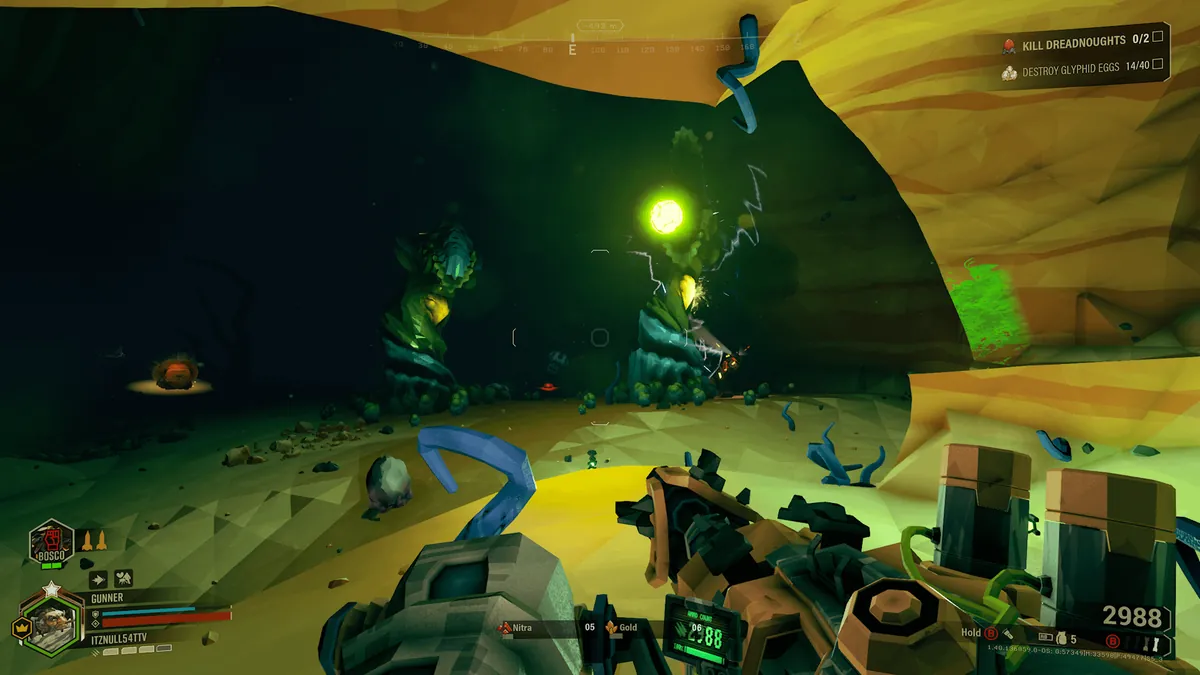
Combat Summary
- Target/Topic: High-Hazard Multi-Threat Engagement Protocols & Critical Projectile Interception.
- Recommended Hazard Level: Hazard 4+, CRITICAL for Hazard 5 operations.
- Loadout/Gear Focus: High single-target burst damage, area denial capabilities, robust crowd control, and enhanced situational awareness tools (e.g., maximum flare duration/range, specialized mapping upgrades).
High-Hazard Engagement Protocols
Field reports indicate an alarming trend of overlapping elite threats in challenging biomes, particularly on Hazard 5. Expeditionary forces must adapt their tactical doctrine to prioritize targets and mitigate compound threats effectively.
Overlapping Threat Prioritization: Barragers & Korlok
Observations from recent deep scans highlight encounters featuring multiple Glyphid Oppressor Barragers in immediate proximity to a Glyphid Korlok Tyrant-Weed. This configuration creates a highly lethal engagement zone, characterized by concentrated suppressive fire from Barragers and area denial/high-damage projectile spam from the Korlok.
- Barrager Threat Assessment: Barragers, while slow, deliver devastating, armor-piercing projectiles. Multiple units create an overlapping fire-zone, severely restricting maneuverability and cover options. Prioritize weakening their armor plates to expose critical weak points.
- Korlok Tyrant-Weed Threat Assessment: The Korlok’s self-healing capabilities via its healing pods, combined with its high-damage projectiles, make it a primary target. Its rapid health regeneration necessitates focused, sustained fire on the exposed core or rapid destruction of its healing pods.
- Tactical Execution: In such scenarios, the Korlok Tyrant-Weed often represents the greater immediate threat due to its healing and projectile volume. Initiate engagement by eliminating healing pods to prevent regeneration, then focus all available firepower on the Korlok’s vulnerable core. Utilize natural terrain for cover against Barrager fire while maintaining line of sight on the Korlok. Once the Korlok is neutralized, systematically engage the Barragers, focusing on individual units to break down their collective suppressive capability.
Environmental Ambushes: Magma Core & Cave Leeches
Operations in the Magma Core, especially during Hazard 5 missions with ‘Greater Core Stone’ modifiers (implying extended time in hazardous terrain), frequently present compounding threats. A documented event involved entering a chamber during a swarm, immediately encountering five Cave Leeches. This scenario combines environmental hazards, swarm pressure, and stealth predators.
- Magma Core Environmental Dangers: The Magma Core’s terrain is inherently treacherous, with lava flows, unstable ground, and volcanic vents. These environmental factors significantly reduce available safe zones and escape routes, making disengagement challenging under pressure.
- Cave Leech Threat Assessment: Cave Leeches are silent, fast-acting ambush predators. Five simultaneous leeches transform a standard encounter into a critical extraction failure point. Their distinctive audio cues must be internalized, and constant vigilance, especially in unlit or vertically complex chambers, is paramount.
- Tactical Execution: Proactive lighting of new chambers with flares is non-negotiable in the Magma Core. Prioritize immediate threat assessment upon entry: identify leeches by sound or visual scan before engaging the main swarm. If ambushed, immediate suppression of visible leeches must take precedence, ideally through coordinated fire. Utilize the terrain to your advantage where possible, but be wary of lava pools limiting retreat paths. Communication and a ‘buddy system’ (watching each other’s backs) are critical for survival against multiple leeches.
Critical Projectile Interception
Beyond direct enemy engagements, mitigating specific projectile threats can significantly improve survivability and offensive posture.
Spitballer Projectile Neutralization
Field intel confirms that projectiles fired by Glyphid Spitballers can be intercepted and destroyed mid-flight by direct weapon fire. This capability provides a crucial tactical advantage against one of the most persistent long-range threats.
- Execution: Target the incoming projectile directly. Most weapon platforms are capable of destroying these projectiles, with higher-rate-of-fire or high-accuracy weapons being most effective. This requires precise aim and quick reaction times.
- Tactical Advantage: Neutralizing Spitballer projectiles allows miners to maintain offensive pressure without needing to constantly break cover or absorb significant damage. It protects objectives, fellow miners, and maintains team cohesion during intense firefights. This technique can turn a defensive bottleneck into an offensive push.
- Situational Awareness: Always identify the Spitballer’s position and anticipate its firing rhythm. Prioritizing projectile destruction over direct enemy damage can be a viable strategy, especially when engaging multiple threats or protecting a vulnerable position.