Solo Dreadnought Elimination: Advanced Tactics & Preparation Protocol
This intelligence brief details effective strategies for solo Dreadnought elimination, focusing on advanced preparation and combat adaptation. Learn to mitigate stress and enhance efficiency against all Dreadnought variants.
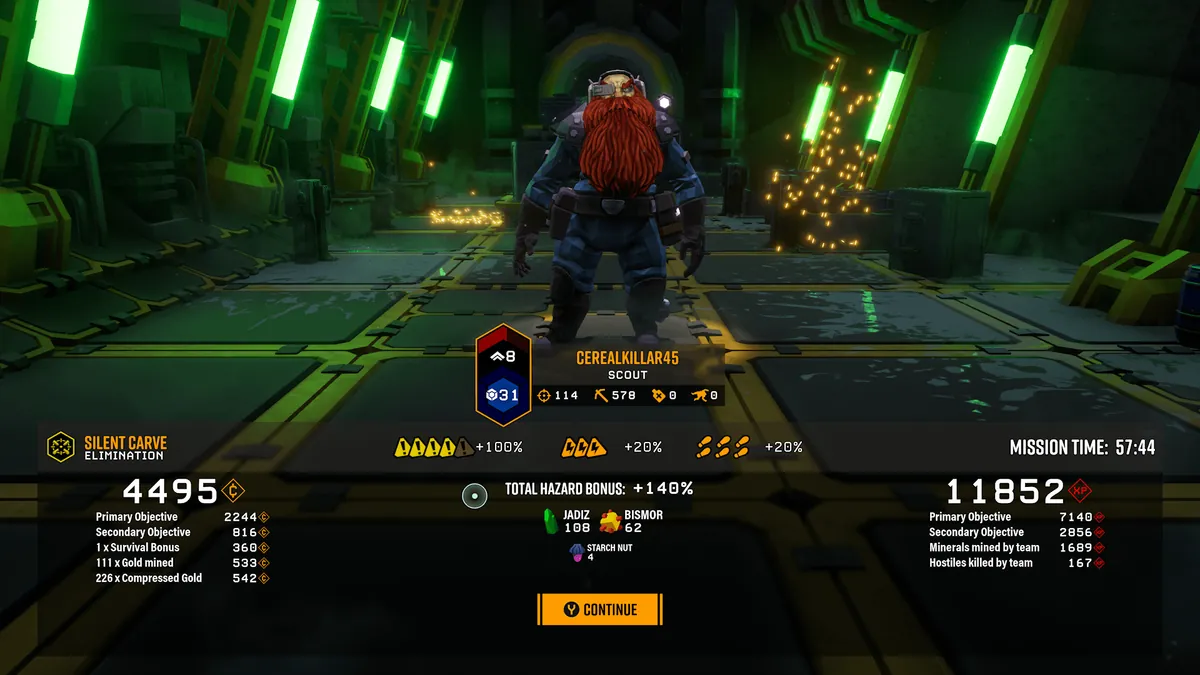
Combat Summary
- Target/Topic: Solo Dreadnought Elimination (Standard, Hiveguard, Twins).
- Recommended Hazard Level: Initiate at H2-H3 for proficiency building, scale incrementally to H4-H5 for mastery.
- Loadout/Gear Focus: High burst damage, sustained damage-per-second (DPS) solutions, enhanced mobility tools, specific Overclocks, and effective plasma-based weaponry.
Objective Analysis: Solo Dreadnought Engagement
Solo Dreadnought elimination presents a unique set of challenges, demanding unwavering focus and meticulous preparation. Lacking immediate support or a dedicated revive, the miner must contend with singular aggro management, persistent swarm threats, and the inherent pressure of being the sole combatant. The perceived ‘stress’ is a direct indicator of insufficient tactical readiness or a deficit in practiced execution. Mastery is achieved not by avoiding the challenge, but by systematically engaging and overcoming it. As the old saying goes, “You can only fight the way you practice.” Begin at lower hazard levels to develop core competencies and gradually escalate difficulty.
Loadout and Gear Optimization for Solo Operations
Selecting the optimal loadout is paramount for solo success. Emphasis must be placed on personal sustain, crowd control, and singular target damage output.
- Class Selection: The Scout Class is frequently recommended for its unparalleled mobility, allowing for superior kiting and repositioning, vital for managing Dreadnought attack patterns and avoiding damage. Their primary weapons, especially with specific Overclocks, can deliver precise weakpoint damage.
- Weaponry: Consider weapons with high burst potential for exposing armor segments and sustained DPS for damaging the core. Plasma Weapons, such as the DRAK-25 Plasma Carbine for Scout or the Plasma Charger for Driller, have proven highly effective due to their consistent damage output and often favorable projectile characteristics against armored targets.
- Utility & Grenades: Equip tools that provide breathing room, shield generation, or environmental manipulation. Impact Axes for Driller, Shield Generator for Gunner (if attempting non-Scout solo), or pheromone canisters for Scout can turn the tide by drawing aggro or creating temporary safe zones.
Tactical Engagement Protocol
Pre-Engagement Checklist
Before initiating the Dreadnought encounter, conduct a thorough environmental survey. Identify potential kiting routes, cover points, choke points, and resource caches. Ensure all primary and secondary weapon ammunition is topped off, and health/shield utilities are ready. Strategic placement of deployables (turrets, platforms) before cracking the cocoons can provide an early advantage.
Managing Multiple Dreadnoughts
When facing multiple targets, such as the Dreadnought Twins or a Hiveguard with its Sentinels, prioritization and space management become critical.
- Twins: Focus fire on one Dreadnought at a time to reduce incoming damage pressure. Utilize environmental obstacles to break line of sight and manage aggro. Never allow both to corner you.
- Hiveguard: Quickly dispatch Sentinels to expose the Hiveguard’s weak points. Maintain distance and focus on dodging its projectiles while closing in for damage phases.
Sustained Pressure and Damage Phases
Exploit every opening. Once a Dreadnought’s armor is breached, unleash maximum firepower on its exposed weak point. Understand the Dreadnought’s attack patterns to minimize downtime and maximize damage uptime. Do not hesitate to disengage, reposition, and re-engage if sustained pressure becomes too risky. Remember, survival is the prerequisite for victory. Rock and Stone.